
OEM & ODM
Start with a model. Build around your requirements.
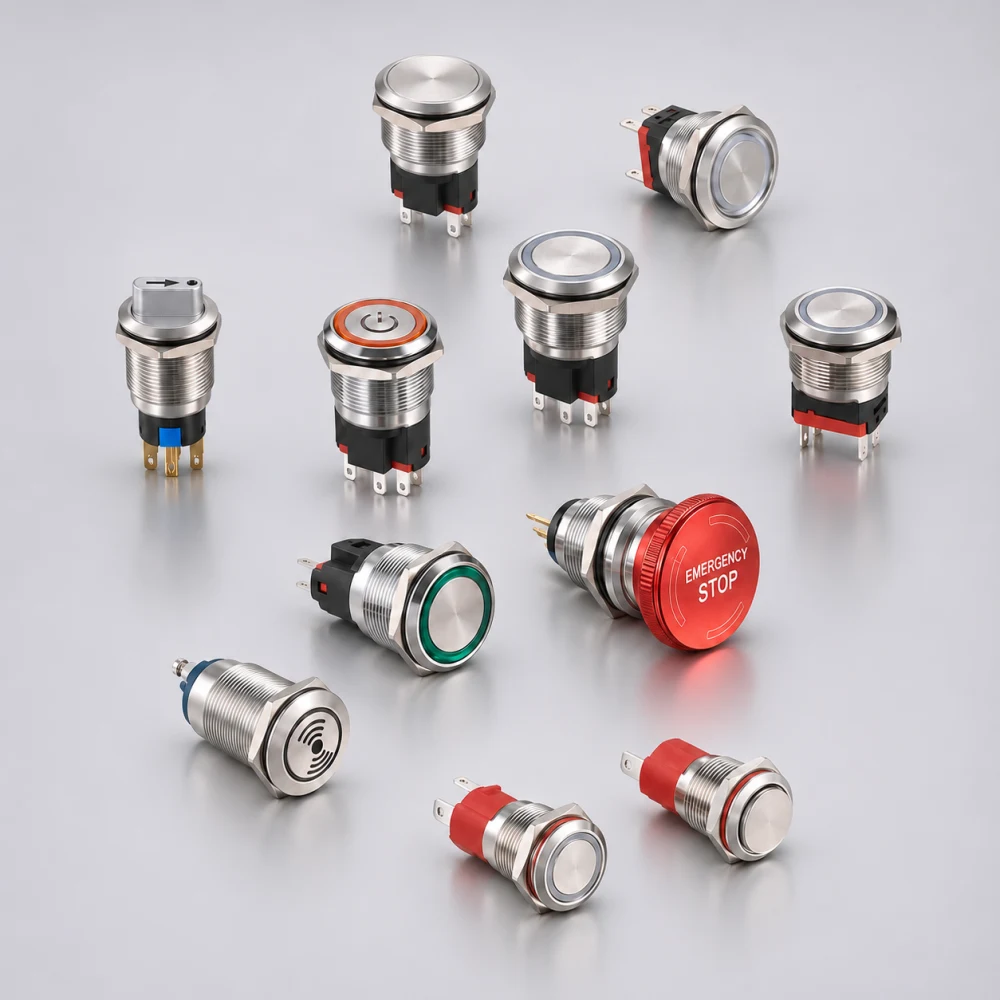
Bring us your product specification, drawing or sample. Tusig Electric reviews custom requirements for push buttons, indicator lights, warning lights and related operator components, from a change to an existing model to a proposed new design.
Discuss your OEM / ODM projectOEM
Work to your specification.
Use a defined model, drawing or approved sample as the starting point. Tell us the required configuration and any product identification or brand presentation requirements so the scope can be agreed before an order.
ODM
Develop the requirement together.
Describe the function, installation constraints and changes you need. We can review design and manufacturing feasibility for a proposed component and identify the drawings, samples and approvals the project will need.
Product configuration
Define the changes that matter to your product.
Options depend on the product platform and selected model. Send the required changes together so mechanical fit, electrical configuration and appearance can be reviewed as one specification.
Push buttons & selectors
Specify head form, color or symbols, operating action, selector positions, contact arrangement and illumination requirements.
Explore modular operatorsPanel indicator lights
Specify the indication task, lens color, mounting size, supply voltage, AC/DC requirement and preferred connection arrangement.
Explore indicatorsWarning lights
Specify the required color, signal mode, supply, mounting and connection requirements. Include a sound requirement where the chosen model supports it.
Explore warning lightsStations & accessories
Define enclosure layout, operator positions, assembly requirements and the exact size or platform of matching covers and fittings.
Explore control stationsBrand presentation
Include your artwork and packing brief.
For private-label projects, send the intended logo or symbols, marking position and artwork, plus any label, inner-box or carton requirements. We will review what can be supplied for the selected product and order quantity.
The suitable marking approach, packaging arrangement and any additional development work are agreed with the quotation.
Production environment
From components to assembled controls.
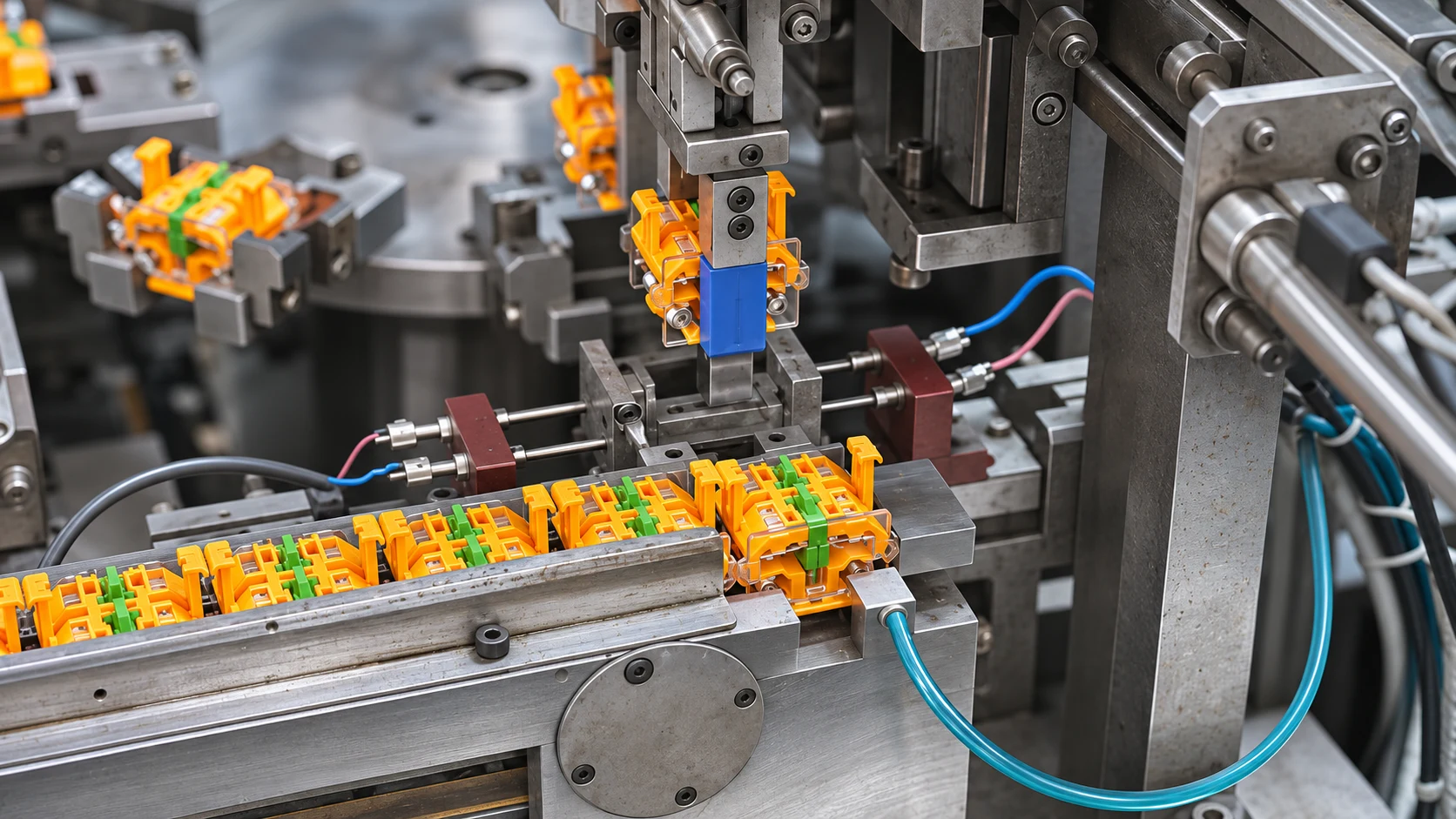
View the production equipment and workstations behind the component range. For a custom project, the agreed specification defines the configuration, assembly and inspection requirements.


Project process
From a clear brief to an agreed production specification.
Define the requirement
Share the application, model or reference sample, required changes, estimated quantity and destination.
Review the proposed solution
Agree the feasible product configuration, development scope, quotation and any drawing or sample work needed.
Approve the configuration
Confirm the applicable drawing, artwork and sample criteria before production. Agree electrical, dimensional and appearance checks for the selected product.
Confirm the order details
Record the approved specification, quantity, packing and delivery arrangements. Refer repeat orders to the same agreed configuration.
What to send with your request
Product brief
Application, existing model or reference, mechanical drawing, panel cutout and available space.
Technical details
Function, contact arrangement, supply, connection method and any required test or compliance documentation.
Order & brand details
Quantity by configuration, expected repeat demand, target delivery date, destination, artwork and packing instructions.
Commercial details, confirmed for your project.
Minimum order quantity, sample availability, development or tooling charges and lead time depend on the model and custom scope. These are confirmed in the quotation. For a special voltage, protection requirement or certification request, include the required specification and document scope with the inquiry.
Tell us what you need to change.
A model code, drawing, sample details or a clear application brief is a useful starting point.